Hearing Support Supplements: What the Evidence Says

Hearing support supplements occupy a strange corner of the wellness market. The claims are often vague, the ingredient lists long, and the doses rarely disclosed. For adults over 50 dealing with gradual hearing decline or persistent tinnitus, that vagueness is frustrating. This article looks at what is actually known about specific ingredients, at what doses, and what that means for choosing a formula worth taking.
To be direct upfront: no supplement reverses age-related hearing loss. The hair cells in the cochlea that convert sound vibrations into nerve signals do not regenerate. What supplements can realistically do is support the auditory system through circulation, oxidative protection, and nutrient delivery, which may slow decline and reduce accompanying symptoms like tinnitus. That framing matters when evaluating any product in this category.
Why Auditory Health Declines After 50
Age-related hearing loss, clinically called presbycusis, is the cumulative result of several processes: reduced blood flow to the inner ear, oxidative damage to cochlear cells from decades of noise exposure, and declining levels of key nutrients that the auditory nerve depends on. The high-frequency range goes first, which is why adults in their 50s and 60s often struggle to follow conversation in noisy environments before they notice any problem in quiet settings.
Tinnitus, the perception of ringing, buzzing, or hissing without an external sound source, frequently accompanies this decline. It affects an estimated 15% of adults and becomes more common with age. The mechanisms overlap with hearing loss but are not identical, which is why some ingredients are more relevant to one than the other.
This is also why the neurological overlap matters. The auditory nerve is, in a meaningful sense, part of the same system as the peripheral nervous system. Nutrients that support nerve function broadly, including B vitamins, alpha-lipoic acid, and magnesium, tend to appear in both nerve health formulas and hearing support products. That overlap is not coincidence.
The Ingredients With Actual Research
Magnesium
Magnesium has the strongest evidence base in this category, specifically for noise-induced hearing protection. Multiple studies, including military research on soldiers exposed to gunfire, found that magnesium supplementation reduced temporary and permanent threshold shifts after noise exposure. The mechanism is vasodilation: magnesium relaxes blood vessels supplying the cochlea, maintaining oxygen delivery during and after acoustic stress. Effective doses in research range from 167mg to 500mg daily. Formulas using less than 100mg are unlikely to replicate these effects.
Alpha-Lipoic Acid
Alpha-lipoic acid (ALA) is a mitochondrial antioxidant that crosses both the blood-brain barrier and the blood-cochlea barrier. It has been studied for its ability to reduce free radical damage in cochlear tissue, particularly after noise exposure or ototoxic drug use. ALA also recycles other antioxidants including vitamins C and E, which amplifies its protective effect. The dose that appears in clinical contexts is typically 200mg to 600mg daily. This is the same compound that shows up in research on peripheral neuropathy, which explains the crossover between nerve health and hearing support formulas.
Ginkgo Biloba
Ginkgo biloba has a long history of use for tinnitus and cognitive circulation. The evidence is mixed: some trials show modest improvement in tinnitus severity, others find no significant effect versus placebo. What the research does consistently support is ginkgo's role in improving microcirculation, which is relevant for cochlear blood supply. If ginkgo is in a formula, 120mg to 240mg of a standardized extract (24% flavone glycosides) is the range with clinical backing. Unstandardized extracts at low doses are not equivalent.
Zinc
Zinc deficiency has been associated with both tinnitus severity and accelerated hearing decline. Several studies have examined zinc supplementation specifically in older adults with tinnitus and found reductions in subjective loudness and distress scores, particularly in individuals who were zinc-deficient at baseline. The relevant dose is 50mg daily in most trial protocols. Higher doses over extended periods carry toxicity risk and can deplete copper, so this is not an ingredient to take arbitrarily in high amounts.
B Vitamins: B12 and Folate
B12 deficiency is underdiagnosed in adults over 50 because absorption declines with age due to reduced stomach acid production. The auditory nerve depends on B12 for myelin maintenance, the protective sheath around nerve fibers. Low B12 has been linked to sensorineural hearing loss and tinnitus in observational studies. Folate plays a related role through homocysteine metabolism: elevated homocysteine is associated with cochlear blood flow impairment. For adults who eat a plant-heavy diet or take metformin, B12 status is worth checking before assuming supplementation is optional.
Ingredient Comparison: What Clinical Doses Actually Look Like
| Ingredient | Clinical Dose Range | Primary Mechanism | Tinnitus Relevance |
|---|---|---|---|
| Magnesium | 167mg to 500mg | Cochlear blood flow | Moderate |
| Alpha-Lipoic Acid | 200mg to 600mg | Antioxidant, cochlear protection | Moderate |
| Ginkgo Biloba (standardized) | 120mg to 240mg | Microcirculation | High |
| Zinc | 50mg | Deficiency correction | High |
| Vitamin B12 | 500mcg to 1000mcg | Auditory nerve myelin | High |
| Folate | 400mcg to 800mcg | Homocysteine regulation | Moderate |
Many hearing support formulas use a proprietary blend that lists ingredients without individual doses. A blend containing ginkgo biloba and magnesium at combined weights of 200mg tells you nothing useful. The blend could be 195mg magnesium and 5mg ginkgo. Formulas that disclose individual doses are categorically more trustworthy than those that hide them behind blend totals.
What Most Products Get Wrong
The most common problem in the hearing supplement category is ingredient overlap without dose discipline. A product can list eight ingredients that all have some research behind them and still deliver none of them at effective levels because the capsule size limits total payload. A 500mg capsule containing eight ingredients averages 62mg per ingredient. That is not enough for magnesium, not enough for ALA, and not enough for a standardized ginkgo extract.
The second problem is marketing around ingredients that sound impressive but have minimal human data. Astaxanthin, for example, is a potent antioxidant with animal model data for cochlear protection, but human clinical trials in hearing health are limited. Coenzyme Q10 similarly has a plausible mechanism but sparse direct evidence in auditory function specifically. These are not useless ingredients, but their presence does not validate a formula the way magnesium or ginkgo does.
The third problem is ignoring circulation entirely. The cochlea is one of the most vascularly sensitive structures in the body. A hearing formula that does not address blood flow to the inner ear is missing the most mechanically important part of the equation. This is why formulas that combine a vasodilatory ingredient like ginkgo with antioxidant coverage from ALA and nutritional support from B12 and zinc are structurally better designed than those focused narrowly on one mechanism.
How This Connects to Broader Nerve Health
The auditory nerve operates on the same biological principles as peripheral nerves throughout the body. Myelin integrity, oxidative load, and adequate nutrient supply are the same variables that determine how well the nerves in your feet and hands function. This is why some people who have researched metabolic health and its effects on circulation find that improving overall vascular function also correlates with reduced tinnitus severity. The ear does not exist in isolation from systemic health.
For adults managing multiple age-related concerns simultaneously, a hearing support formula that includes B12, ALA, and magnesium overlaps meaningfully with nerve support needs. That is not a coincidence of marketing. It reflects genuine biological overlap in the systems being supported.
Featured Pick: RingZen6
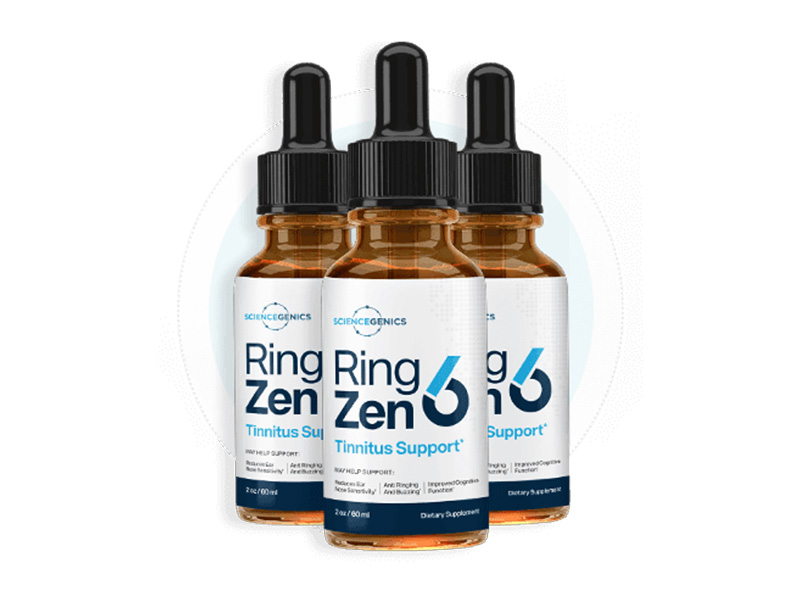
Advanced hearing support formula combining botanical extracts and targeted nutrients to promote healthy auditory function and reduce tinnitus discomfort. Formulated for adults over 50 dealing with age-related auditory decline.
View offer →You can also review the full profile of RingZen6 on the hub alongside other wellness and nerve health options in the same category.