
Most people who deal with burning, tingling or numbness in their feet spend months trying to figure out what's actually causing it before they even get a diagnosis. Peripheral neuropathy is one of those conditions that tends to get dismissed early on, partly because the symptoms can feel vague and come and go. By the time someone starts looking into what helps, they've usually already tried pain relievers that didn't do much and are looking for something more targeted.
This article covers what the research says about nerve pain in the feet specifically: which nutrients and supplements have real evidence behind them, which ones are mostly marketing, and what lifestyle factors tend to make the biggest difference over time.
Why Foot Nerves Are Particularly Vulnerable
The nerves that run to your feet are among the longest in the body. They travel from the lower spine all the way down through your legs, and that length makes them more susceptible to damage and slower to recover. When something disrupts normal nerve function, whether that's poor circulation, elevated blood sugar over time, nutritional deficiencies or mechanical pressure, the feet are usually where you feel it first.
Peripheral neuropathy affects an estimated 20 million Americans, and that number climbs significantly after age 50. Diabetes is the most common underlying cause, but it's far from the only one. Vitamin B12 deficiency, alcohol use, certain medications (including some common cholesterol drugs), thyroid conditions and even prolonged pressure on nerves from poor posture or footwear can all contribute.
If you're experiencing new or worsening nerve symptoms in your feet, getting bloodwork done is the most practical first step. A B12 deficiency or blood sugar issue that goes undetected for years causes damage that's much harder to reverse later.
B Vitamins: The Most Evidence-Backed Starting Point
Of all the supplements associated with nerve health, the B vitamins have the most consistent research behind them, particularly B1 (thiamine), B6 and B12. These three play direct roles in how nerve cells produce energy, maintain their protective myelin sheath and transmit signals properly.
B12 deficiency is especially worth paying attention to after 50. As we age, stomach acid production declines, which reduces how well B12 gets absorbed from food. People who take metformin for blood sugar management, or proton pump inhibitors for acid reflux, are at higher risk of deficiency because both medications further interfere with B12 absorption. Symptoms of deficiency, including tingling and numbness in the extremities, can develop slowly over years before they become obvious.
Benfotiamine, a fat-soluble form of thiamine (B1), has been studied specifically in diabetic neuropathy and shows better tissue penetration than standard thiamine. Several small trials have found it reduces pain scores and improves nerve conduction over a period of weeks to months.
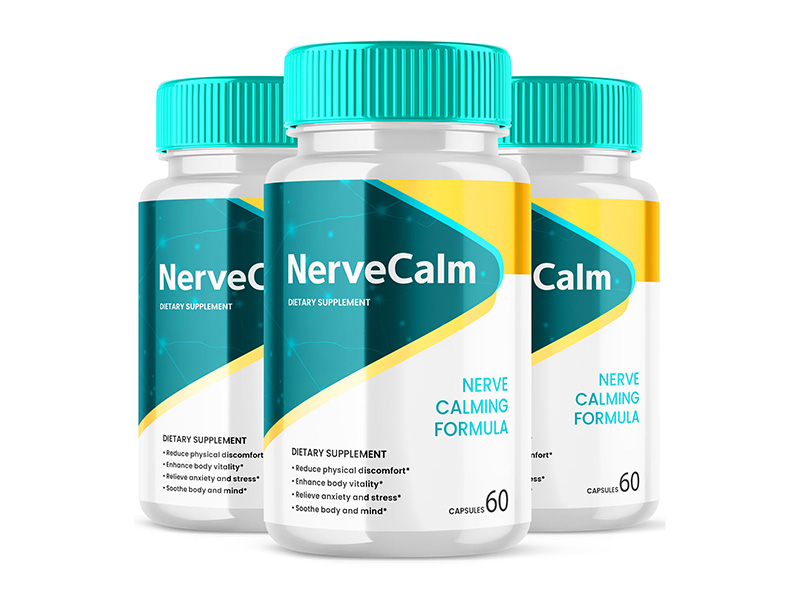
B6 is a double-edged nutrient here. In normal amounts it supports nerve function, but very high doses taken over a long period can actually cause or worsen peripheral neuropathy. This is one reason why combination formulas with reasonable dosing tend to be preferable to megadose single-ingredient products. If you're looking for a formulated option that combines these B vitamins with alpha-lipoic acid, NerveCalm Advanced is one of the more complete nerve support formulas we've reviewed at Wellness Picks HQ.
Alpha-Lipoic Acid: The Most Studied Antioxidant for Nerve Pain
Alpha-lipoic acid (ALA) is a compound that functions as both a fat-soluble and water-soluble antioxidant, which means it can work in more parts of the cell than most antioxidants. It's been studied in diabetic neuropathy for over two decades, with a reasonable body of evidence suggesting it reduces burning pain and tingling in the feet when taken consistently.
The research on ALA tends to show stronger effects with intravenous delivery, which is used clinically in parts of Europe. Oral supplementation still shows benefit in multiple trials, though results vary. The typical dosage used in studies ranges from 300mg to 600mg daily. It takes several weeks to notice a difference, and some people report mild gastrointestinal discomfort when starting.
ALA also appears to support blood sugar metabolism, which is relevant given how often neuropathy and blood sugar issues overlap. It's one of the few supplements where the mechanisms are understood well enough to explain why it might help rather than just observing that it does. Formulas that combine ALA with benfotiamine and B12, like the NerveCalm Advanced formula featured on our hub, are structured around exactly this combination.
What Tends to Disappoint
Magnesium gets a lot of attention in the nerve health space, and it does play a role in nerve signal transmission. However, the evidence for magnesium supplementation specifically reducing peripheral neuropathy symptoms in the feet is thin. It's not harmful to supplement if you're deficient, but it's unlikely to be the main driver of improvement for most people.
Herbal products marketed broadly as "nerve support" with proprietary blends and no disclosed ingredient quantities are difficult to evaluate. When you can't see the dosage of each ingredient, there's no way to know whether the amounts present match what was used in any meaningful research. That's not automatically a reason to dismiss a product, but it's a reason to look for ones that are more transparent about their formulation.
Evening primrose oil has been studied in diabetic neuropathy with some positive early results, but the overall evidence is limited and the studies are old. It's not a strong recommendation either way.
Nerve tissue repairs slowly. Most supplements that show benefits in research do so over 8 to 16 weeks of consistent use, not days. If something is marketed with language suggesting fast relief, that's worth treating with skepticism.
Lifestyle Factors That Make or Break the Outcome
No supplement works well in isolation if the underlying drivers of nerve damage are still active. Blood sugar management is the most significant lever for people with diabetes or prediabetes. Even modest improvements in average glucose levels over time slow the progression of neuropathy and can allow some recovery in less severely damaged nerves. The connection between metabolic health and nerve function runs deeper than most people realize: insulin resistance affects the small blood vessels that supply peripheral nerves long before a diabetes diagnosis. If weight is also a concern, it's worth reading about how GLP-1 support works for metabolic weight management after 50, since the two issues frequently overlap.
Circulation matters too. The small blood vessels that supply peripheral nerves are sensitive to smoking, prolonged sitting and poor cardiovascular health generally. Regular walking, even short sessions, improves blood flow to the feet and has been shown to reduce neuropathy symptoms in several studies. It also helps maintain the protective muscle around the feet and ankles, which reduces mechanical stress on the nerves themselves.
Footwear is underrated. Tight shoes or footwear without adequate cushioning increases pressure on already-irritated nerves. People with peripheral neuropathy are also at higher risk of foot injuries because reduced sensation means they may not notice a blister or cut developing. Well-fitting shoes with good support reduce that risk considerably.
The Bottom Line
If you're dealing with nerve pain or numbness in your feet, the most useful starting point is ruling out correctable causes: get your B12 checked, get a fasting glucose or A1C if you haven't recently, and review any medications that might be contributing. From there, alpha-lipoic acid and a quality B-complex with benfotiamine are the supplements with the best evidence base for ongoing support. NerveCalm Advanced combines both in a single formula and is one of the top-rated picks on our hub for this category.
Consistency matters more than the specific brand. Whatever you choose, give it at least two to three months before deciding whether it's working. Nerve tissue doesn't recover on a week-to-week timeline.